
🔬 Laboratories
🔬 Research Laboratories for Quantum Science and Technology in Indonesia
At the BRIN Research Center for Quantum Physics, we develop cutting-edge experimental facilities that support both fundamental and applied quantum research. Our laboratories provide researchers, students, and collaborators with access to world-class instrumentation for exploring quantum physics, optical physics, and particle physics. Each lab is dedicated to advancing Indonesia’s scientific and technological capabilities while remaining open for collaborative research and innovation. Researchers, collaborators, and students interested in conducting experiments or joint projects can directly request access through the center.
(p-MOKE)
🚿 Class-10000 Clean Room
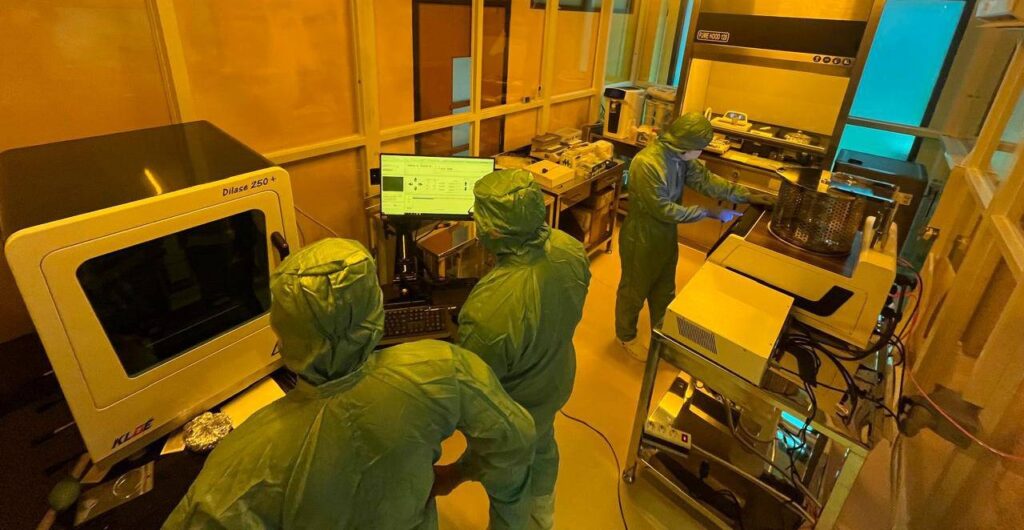
We operate an 18 m² Class 10,000 cleanroom facility located at KST BJ Habibie, Serpong. The cleanroom is equipped with a maskless photolithography system capable of achieving feature sizes down to 1 µm, enabling rapid prototyping of micro-scale devices without the need for physical masks. In addition, the facility includes a thermal evaporator for thin-film/metal electrodes deposition, a programmable spin coater for uniform photoresist preparation, and an ozone cleaner for surface treatment and contamination removal. A deionized (DI) water system is available for high-purity rinsing and cleaning processes, ensuring minimal contamination during fabrication. For wet chemical processing, a dedicated draft chamber (fume hood) is available to ensure safe handling of chemicals. This integrated setup supports the fabrication and development of micro-devices for research in semiconductor technology and quantum devices.
🧊 Low Temperature Physics Laboratory
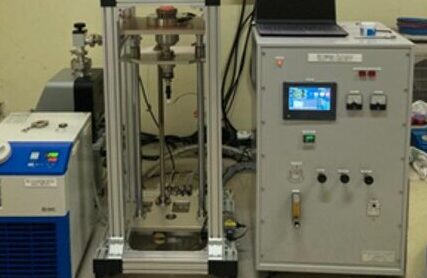
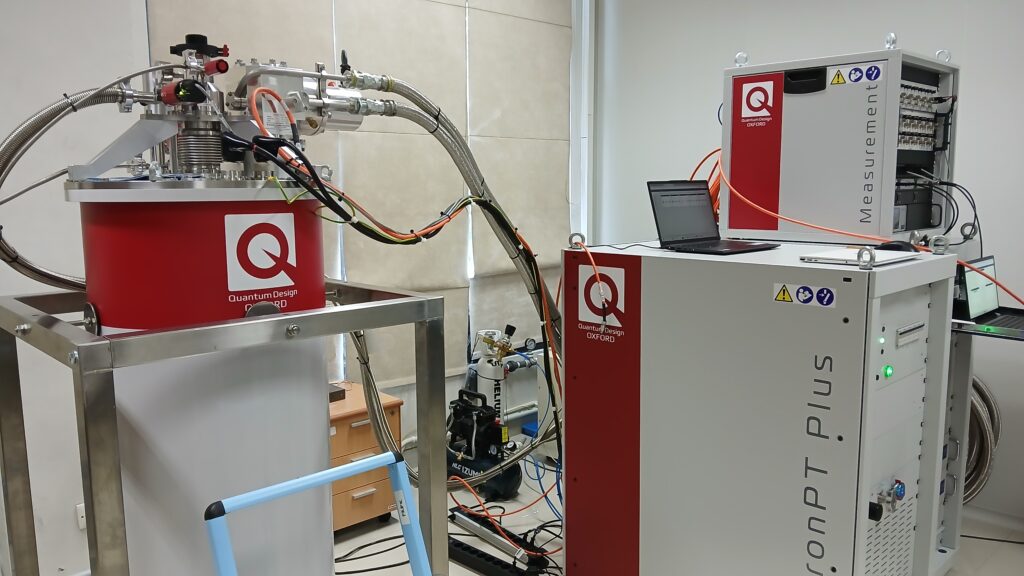
We operate a new cryogen-free TeslatronPT Plus, low-temperature measurement platform designed primarily for studying the behavior of matter under extreme conditions. The system is equipped with a superconducting magnet capable of generating magnetic fields up to 8 Tesla, enabling a wide range of magneto-transport experiments. Its variable temperature insert allows operation from 1.6 Kelvin up to room temperature, providing flexibility for exploring temperature-dependent phenomena in nanoscale and mesoscopic devices. This setup also includes four semi-rigid coaxial lines integrated into the probe with a frequency bandwidth of up to 18 GHz, which are essential for delivering high-frequency and low-noise electrical signals directly to the sample. These coaxial lines are particularly useful for experiments requiring microwave excitation or fast signal readout, such as spin resonance, qubit control, or high-frequency transport measurements. In addition, the system is integrated with an M81-SSM synchronous source measure system featuring two voltage measurement channels and one balanced current source.
🔥 Pulsed Laser Deposition (PLD) Laboratory
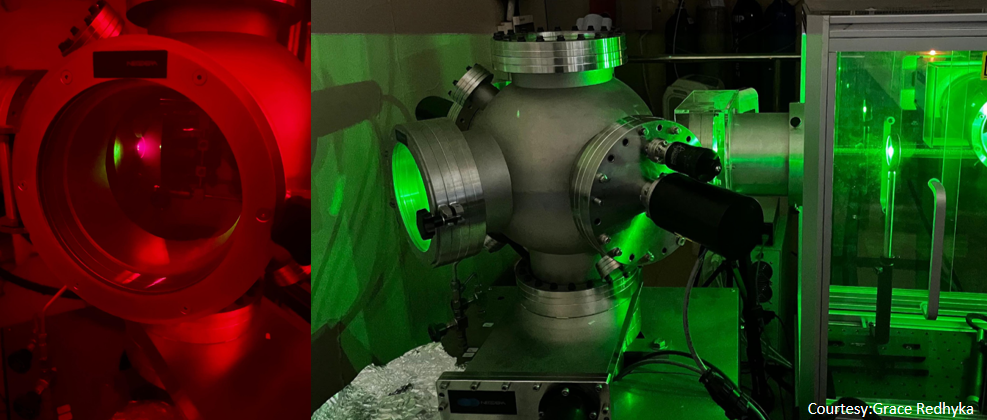
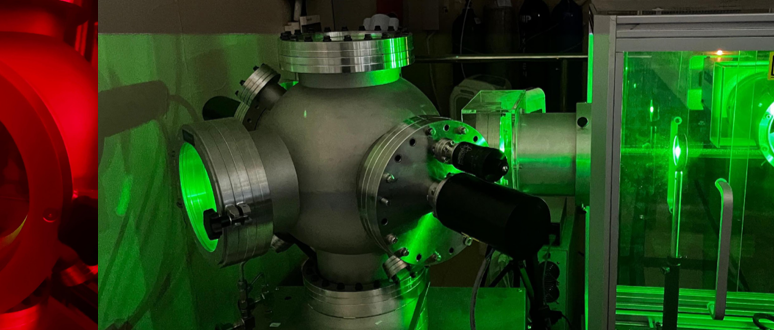
The Pulsed Laser Deposition (PLD) Laboratory supports experimental research in the fabrication of thin films and nanostructured materials. Our research center particularly utilizes PLD techniques to produce a wide range of materials, including magnetic insulators and transition-metal dichalcogenide (TMD)-based layered compounds for advanced electronic, magnetic, and optical applications.
In the PLD process, a high-powered Nd:YAG pulsed laser is directed onto a solid target within a high-vacuum chamber (typically around 10⁻⁴ Pa), causing the target material to ablate and form a plasma plume. The ablated species then condense and deposit onto a heated substrate, up to 900 °C, allowing the controlled growth of thin films with precise composition and thickness.
🧬 Chemical Vapor Deposition (CVD) Laboratory
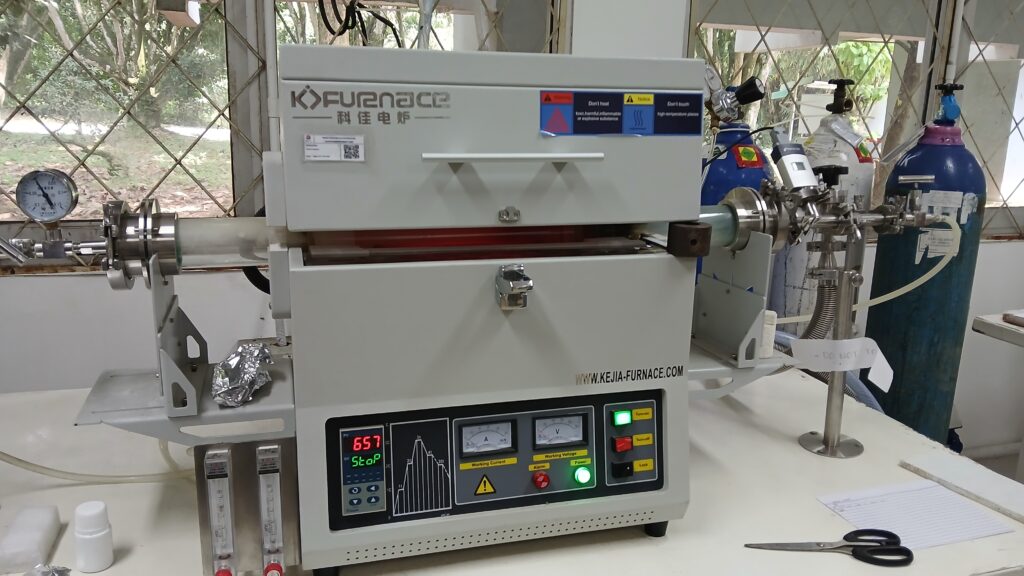
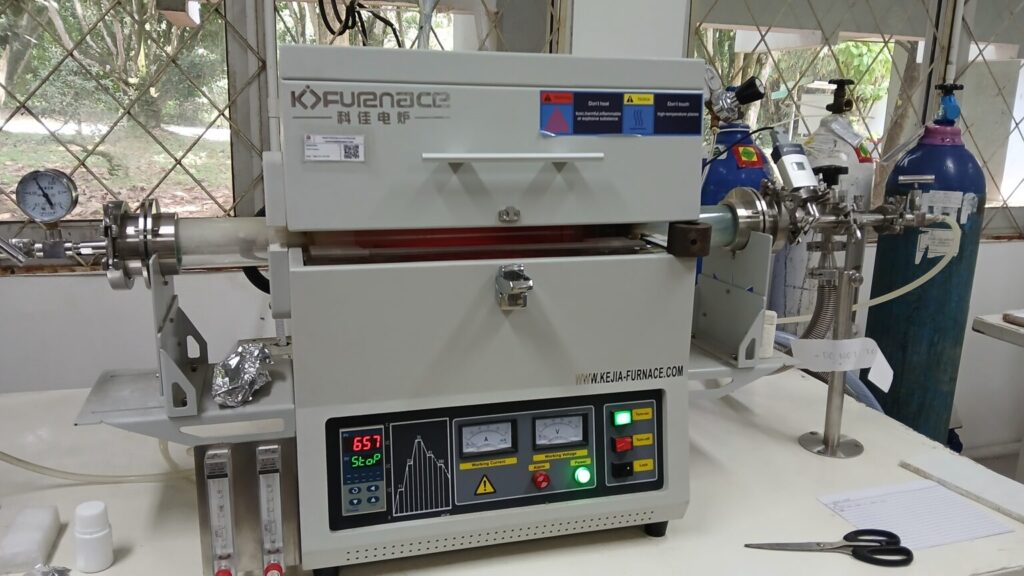
The Chemical Vapor Deposition (CVD) Laboratory plays a crucial role in supporting high-quality large-scale deposition and synthesis of two-dimensional (2D) transition-metal dichalcogenide (TMD) layered materials, such as molybdenum disulfide (MoS₂). These high-quality thin films are essential for advancing various next-generation technologies, including high-performance electronics, optoelectronic devices, sensors, and flexible nano-systems. The facility is equipped to enable control over film thickness, uniformity, and crystal quality, ensuring reliable material production.
💎 Single-Crystal Growth Laboratory
The single-crystal growth laboratory, which is primarily used by the Quantum Materials Research Group in the case of our research center, focuses on the synthesis and characterization of high-quality bulk single crystals. The lab is equipped with a Bridgman system for controlled crystal growth, a Laue X-ray diffraction setup for crystal orientation, and vacuum sealing facilities to support the flux growth technique.
Bridgman single-crystal growth instrument
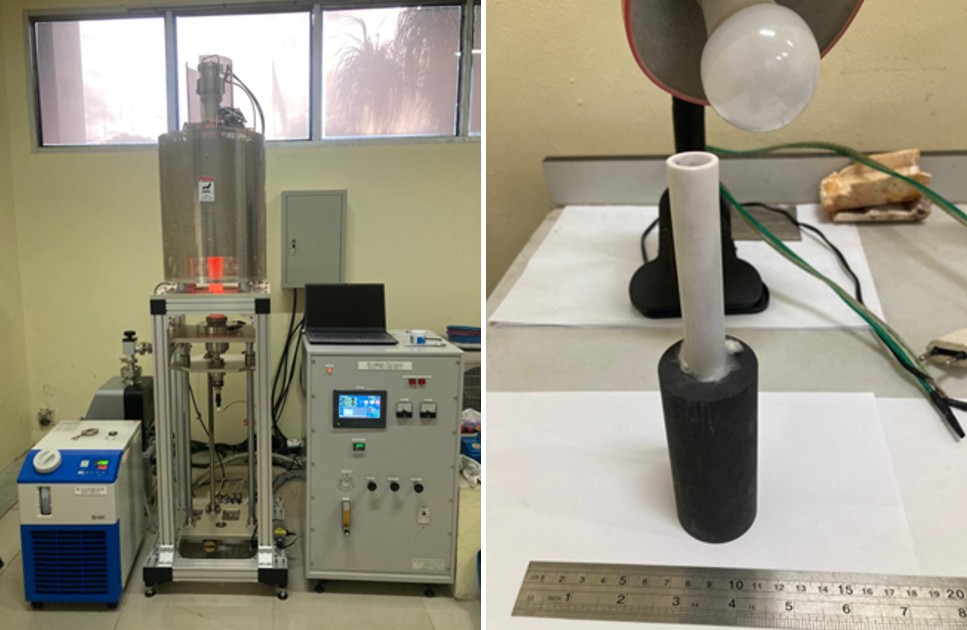
The Bridgman single-crystal growth instrument is designed to produce bulk single crystals from a molten phase using a controlled temperature gradient. In this method, material sealed inside a crucible or ampoule is melted and then slowly solidified as it passes through a hot-to-cold thermal gradient, promoting directional crystal growth. By carefully controlling the growth rate and temperature profile, the Bridgman technique enables the formation of large, high-quality single crystals with reduced grain boundaries. This method is widely used for growing intermetallic compounds, superalloys, and strongly correlated-electron materials, making it a cornerstone instrument for fundamental studies and functional material development.
Laue X-ray diffraction instrument
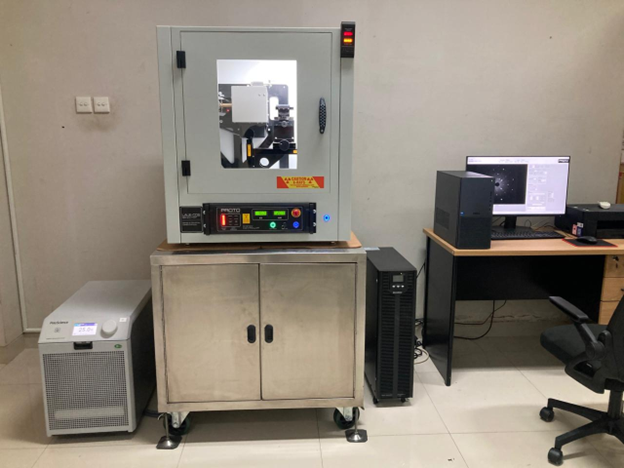
The Laue X-ray diffraction instrument is used to determine the crystallographic orientation and quality of single crystals. By illuminating a stationary crystal with a polychromatic (white) X-ray beam, the instrument produces a characteristic Laue diffraction pattern that reflects the symmetry and orientation of the crystal lattice. This technique enables rapid, non-destructive alignment of single crystals prior to advanced measurements such as transport, magnetic, optical, or neutron and synchrotron experiments. Sharp, well-defined diffraction spots indicate high crystal quality. The Laue instrument is an essential diagnostic tool in single-crystal research and quantum materials laboratories.
Vacuum Sealing
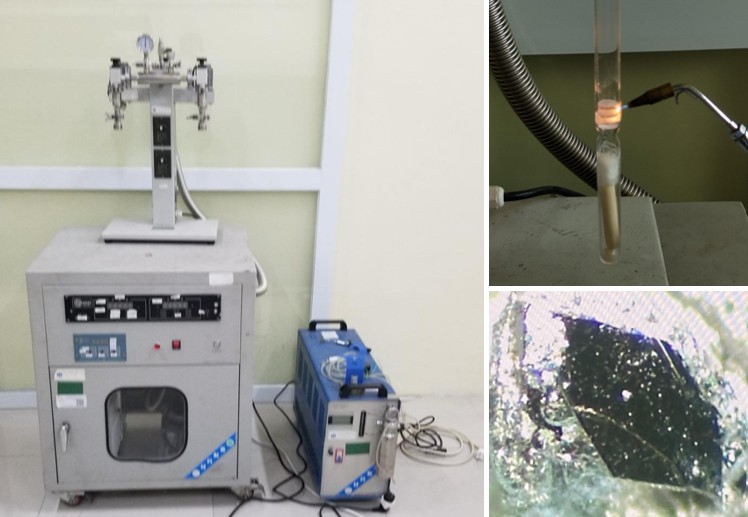
Vacuum sealing is used in the flux method for single-crystal growth. In this method, the target material is dissolved in a molten flux that acts as a solvent, enabling controlled crystal growth as the system is slowly cooled. During cooling, crystals nucleate and grow from the supersaturated solution, often forming well-defined facets with low internal strain. The flux method is particularly suitable for complex intermetallics, heavy-fermion compounds, and quantum materials that are difficult to grow by conventional melt techniques, making it a key method for fundamental and functional materials research.
💡 Quantum Defect Magnetometry Laboratory
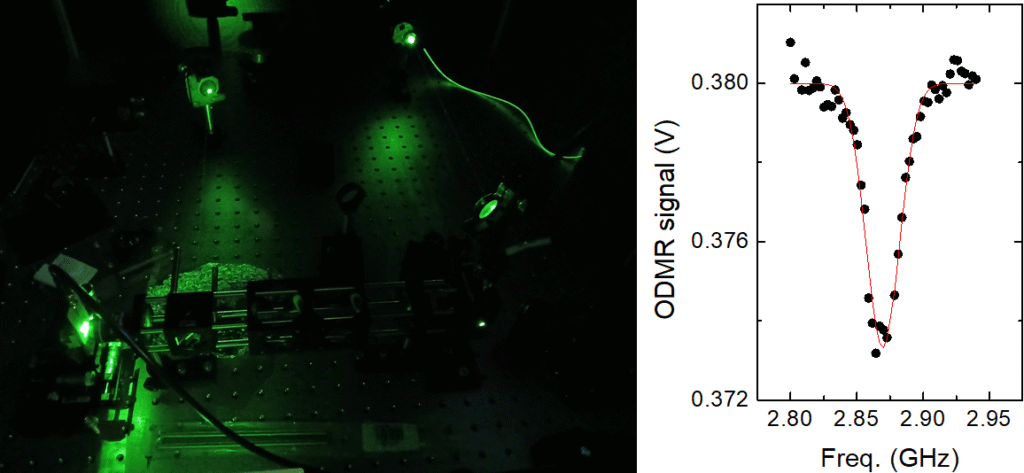
Quantum Defect Magnetometry Laboratory focuses on developing and applying solid-state quantum sensors based on atomic-scale defects, such as nitrogen-vacancy (NV) centers in diamond. Our research explores spin dynamics, coherent control, and quantum metrology techniques to achieve high-sensitivity and high-resolution magnetic field measurements under ambient and extreme conditions.
We develop home-built quantum microscopy platforms that integrate confocal and wide-field optical detection with microwave control and magnetic field modulation. These platforms enable nanoscale magnetic imaging using NV centers, allowing us to probe spin and magnetic dynamics in various materials. The combination of quantum sensing and in-house instrumentation provides a flexible platform for advancing both fundamental studies and practical applications of quantum defect magnetometry. Other optically active spin defect centers in other wide band-gap semiconductors, such as hexagonal-BN and SiC, are currently being investigated as well.
🔬 Polar Magneto-Optic Kerr Effect (p-MOKE)
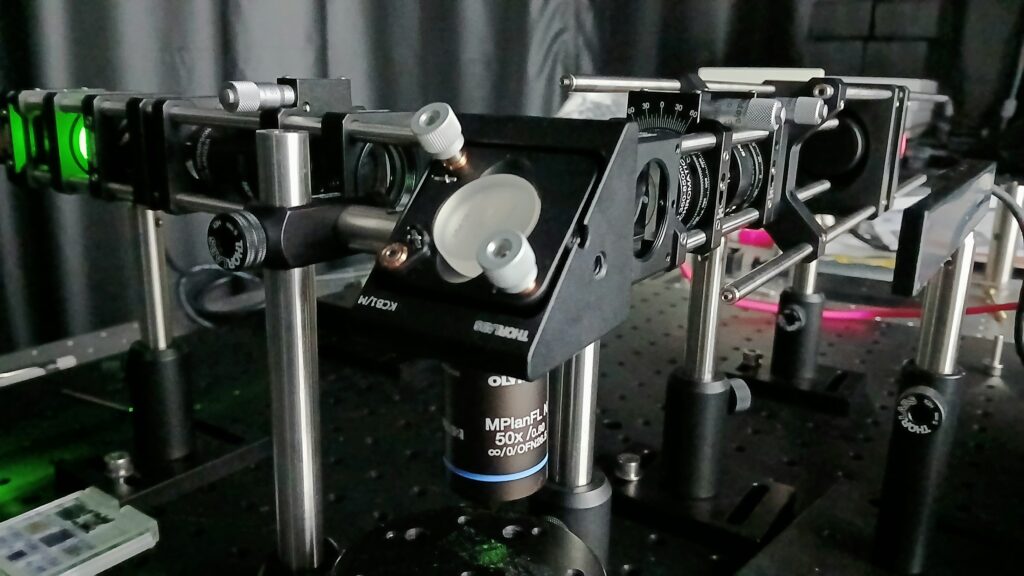
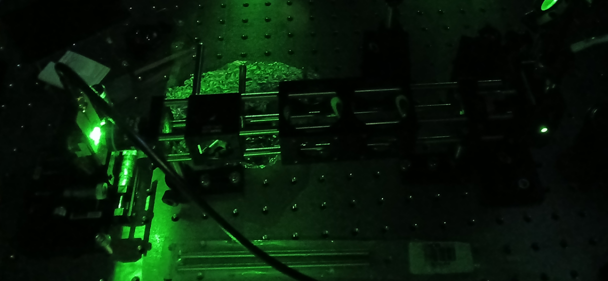
We develop a home-built polar Magneto-Optic Kerr Effect (p-MOKE) with an optical cage setup to probe out-of-plane magnetization in thin films and layered/van der Waals materials. In the polar configuration, linearly polarized light is incident normal to the sample surface, and the reflected light undergoes a rotation and an ellipticity change proportional to the perpendicular magnetization component. The system can be combined with external magnetic fields, electric fields, or temperature control.
🔬 Probe Station
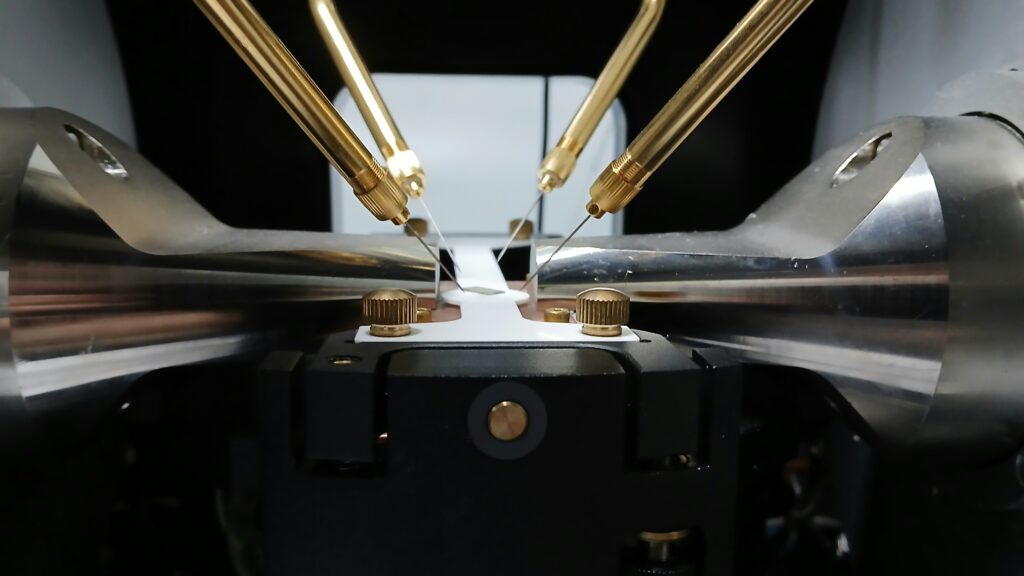
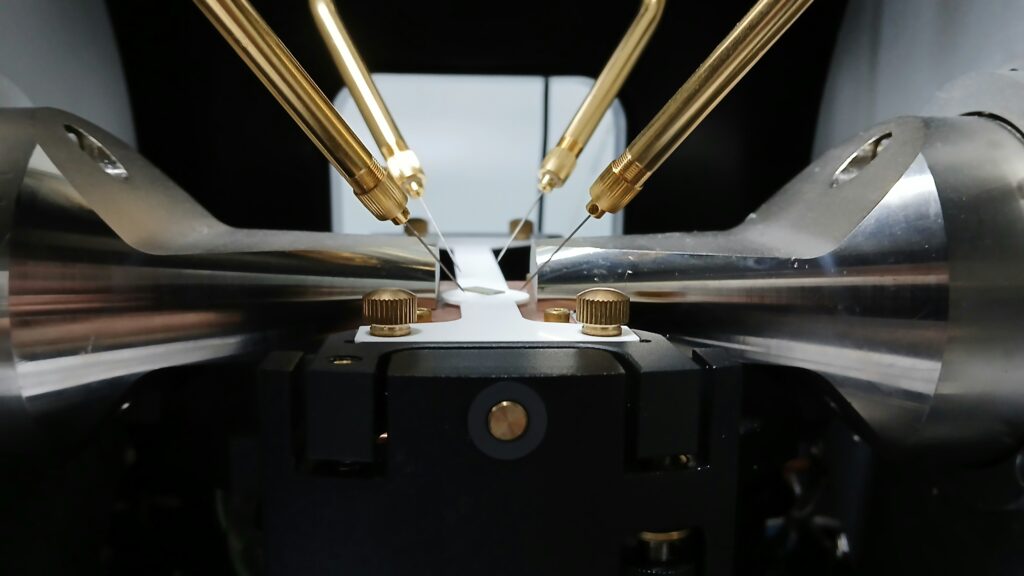
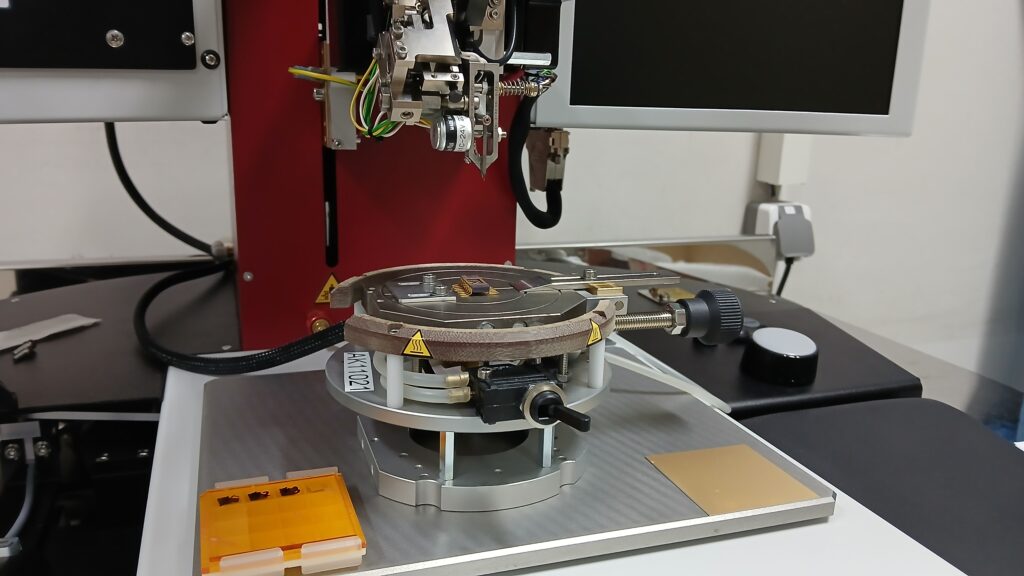
The probe station, equipped with an electromagnet capable of generating an in-plane magnetic field of up to 0.7 T, two source meter units, and a nanovoltmeter, provides a versatile platform for basic electrical characterization of semiconductors under controlled magnetic fields at room temperature. Typical measurements include carrier mobility, carrier density, and I–V characteristics of a semiconducting device/material.
⚛️ Detector and Instrumentation for Particle Physics (DIPP) Laboratory
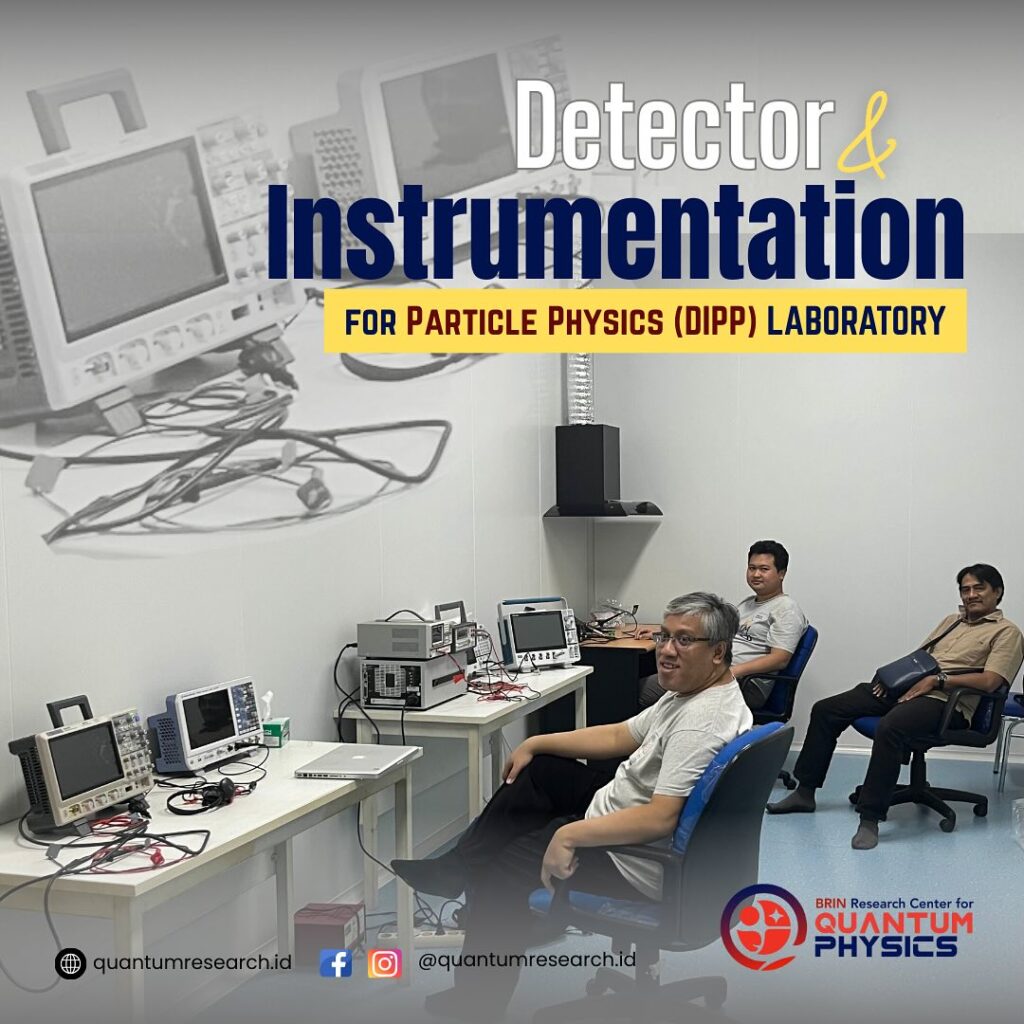
The Detector and Instrumentation for Particle Physics (DIPP) Laboratory focuses on the research and development of advanced detector technologies for high-energy and nuclear physics experiments. The laboratory’s expertise covers a broad range of topics, including scintillator and semiconductor-based detectors, front-end electronics, detector signal processing, data acquisition systems, calibration, performance optimization, and GEANT4-based detector simulations.
As part of the BRIN Research Center for Quantum Physics, the DIPP Laboratory aims to strengthen national capability in experimental particle physics and to advance the development of particle detection technologies. The lab also supports applied research in particle-physics-based imaging, contributing to fields such as geotechnics, civil engineering, archaeology, and nuclear security through cosmic-ray muon imaging techniques.
The DIPP Laboratory is an active member of the ALICE Collaboration at CERN and contributes to the ALICE detector upgrade projects for LHC Run 4 (2030–2033) and Run 5 (2036–2041). Through collaborations with national universities (UM, UNJ, UI, IPB, and others) and international research institutions (CERN, RIKEN, RAL, SLRI), the lab provides opportunities for young researchers to participate in frontier experiment